Your fursona species is the first thing anyone notices about your character, and it shapes everything else: the ears, the tail, the silhouette, even the kind of personality people expect. Any animal can be a fursona, real or imaginary. This guide groups the common types of fursona, says what each is known for and ends with a simple way to choose.
Canines
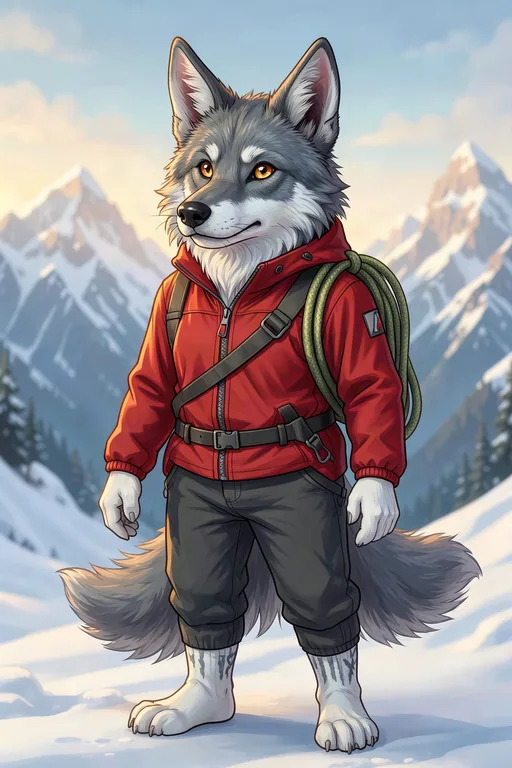
Wolves are a long-time favorite: pointed ears, a thick ruff and a bushy tail. See wolf fursona ideas.
Foxes are lighter and sharper-faced, with big tails and built-in sock markings. See fox fursona ideas.
Dogs offer the most variety of any species, because breeds differ so much. A husky fursona gets a face mask, pale eyes and a curled tail. A corgi gets short legs and huge ears. A shepherd gets a black saddle. Mixed breeds let you combine anything.
Coyotes are the lean, scrappy option: sandy fur, long legs, big ears and a reputation for being a trickster.
Cats, big and small
House cats come in more coat patterns than almost any animal. See cat fursona ideas.
Lions bring a mane, which works like built-in hair you can style. Snow leopards have pale fur with dark rosettes and a very long, thick tail. A lynx has ear tufts, cheek ruffs and a bobbed tail.
Small and clever mammals
Rabbits are all about the ears. See bunny fursona ideas.
Raccoons come with a mask and a ringed tail. See raccoon fursona ideas.
Opossums, often just called possums in North America, have a white face, dark ears, a pink nose and a bare tail. They suit scruffy, funny, night-owl characters.
Badgers have a striped face and a stocky build, good for stubborn, loyal types.
Bears range from small and round to huge, and they wear sweaters better than any other species.
Hooved animals
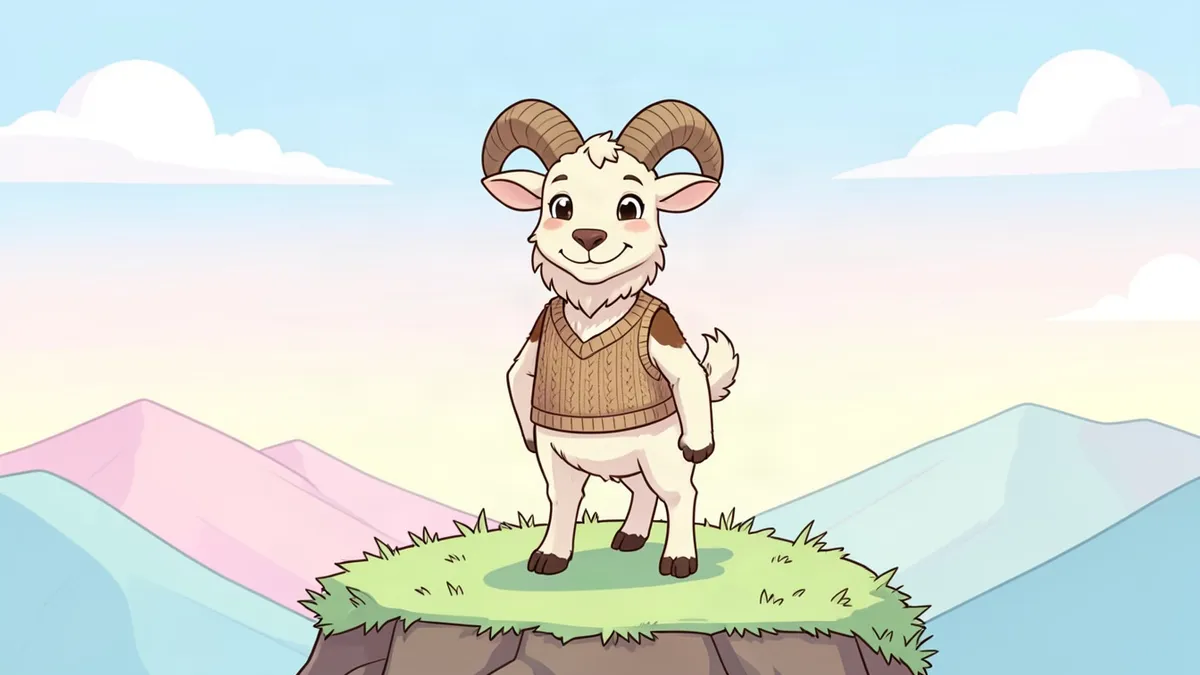
Goats have horns, a beard and unusual eyes. See goat fursona ideas.
Sheep are a wool design problem, in a good way. The fleece can be drawn as curls, clouds or a big hoodie-like puff. A ram adds heavy curled horns. A lamb is the smaller, softer version with knobby legs.
Horses have manes and tails you can color and braid, plus natural markings like blazes and stockings.
Deer are slim and long-legged, with antlers that can change by season.
Primates
A monkey fursona stands out because the body is already close to human shape. The hands, a long tail and expressive faces do the work. Tamarins, lemurs and macaques all look very different, so pick a specific kind.
Birds
A bird fursona trades fur for feathers and a muzzle for a beak. You'll need to decide how arms work: wings that double as hands, or separate arms plus wings. Crows, owls, parrots and songbirds are common picks. Feather colors can go as bright as you like without looking unnatural.
Reptiles and amphibians
A lizard fursona has scales, a long tail and often a frill or crest. Geckos get big eyes and toe pads. A frog fursona is smooth, wide-mouthed and usually drawn round and friendly. Bright poison-dart colors look great on them.
Sea creatures
Sharks lead this group. See shark fursona ideas. Orcas, dolphins and otters are popular too.
Insects and other bugs
A bug fursona is a less common choice with a lot of room for invention. Moths have fluffy collars and feathery antennae. Bees are striped and round. Beetles have glossy shells that can be any metallic color. Most artists draw them soft and stylized, not anatomically exact.
Mythical species
Dragons are the most popular mythical pick. See dragon fursona ideas. Gryphons, unicorns, phoenixes and jackalopes also turn up often.
Hybrids
A hybrid mixes two or more species. Common recipes:
- One body, another animal's ears and tail
- A real animal plus a mythical feature, like a cat with wings
- Two related animals blended evenly, like a wolf and fox
Keep one species as the clear base so the design stays readable.
Original species: open and closed
Some artists invent whole new species with their own anatomy and lore. In the community these are sorted into two kinds:
- Open species: anyone can make a character of that species, usually by following a few design rules.
- Closed species: only the creator, or people they approve, can make one. Sometimes designs are sold.
If you find a species you love, look up its rules before making one. Or invent your own unique fursona species. Start from two real animals, change one body part and give it a name.
How to choose your fursona species
Ask three questions:
- Which animal do I never get tired of looking at?
- Which features do I want to draw or see drawn? Big ears, a long tail, horns, wings.
- What do I want people to assume about my character? A wolf suggests loyalty. A raccoon suggests mischief. You can lean into that or play against it.
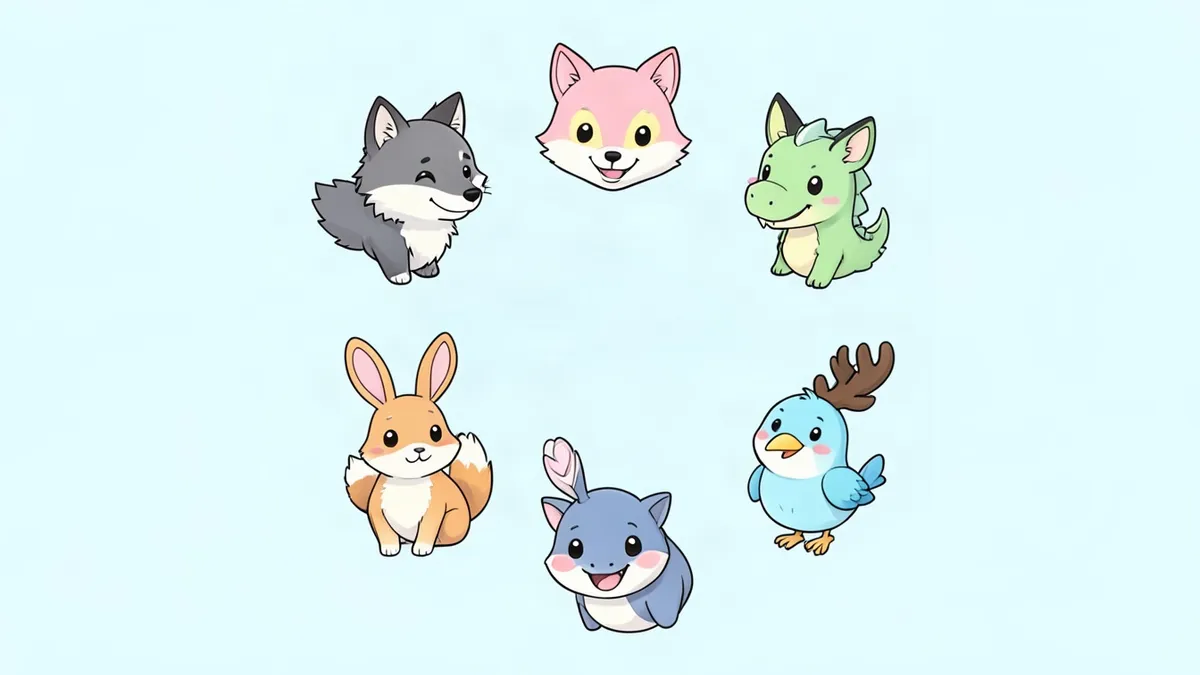
Still torn? Take the fursona quiz. Then try your shortlist in the Fursona Maker. Its species menu covers fox, wolf, cat, dog, dragon, rabbit, shark, goat, deer and bird, and you can add a second one from the same list to make a hybrid.
FAQ
What is the most common fursona species?
Wolves, foxes, dogs, cats and dragons usually top community surveys. Hybrids of those are very common as well.
Can my fursona be more than one species?
Yes. Hybrids are widely accepted. Pick one species as the base body and borrow ears, tail, horns or markings from the other.
What are some unique fursona species?
Less common picks include moths, bats, opossums, badgers, frogs, owls and lizards. You can also invent an original species, or join an open species that welcomes new characters.
What's the difference between an open and a closed species?
An open species is free for anyone to use within its design rules. A closed species needs permission from its creator, and making one without it is considered bad manners in the community.