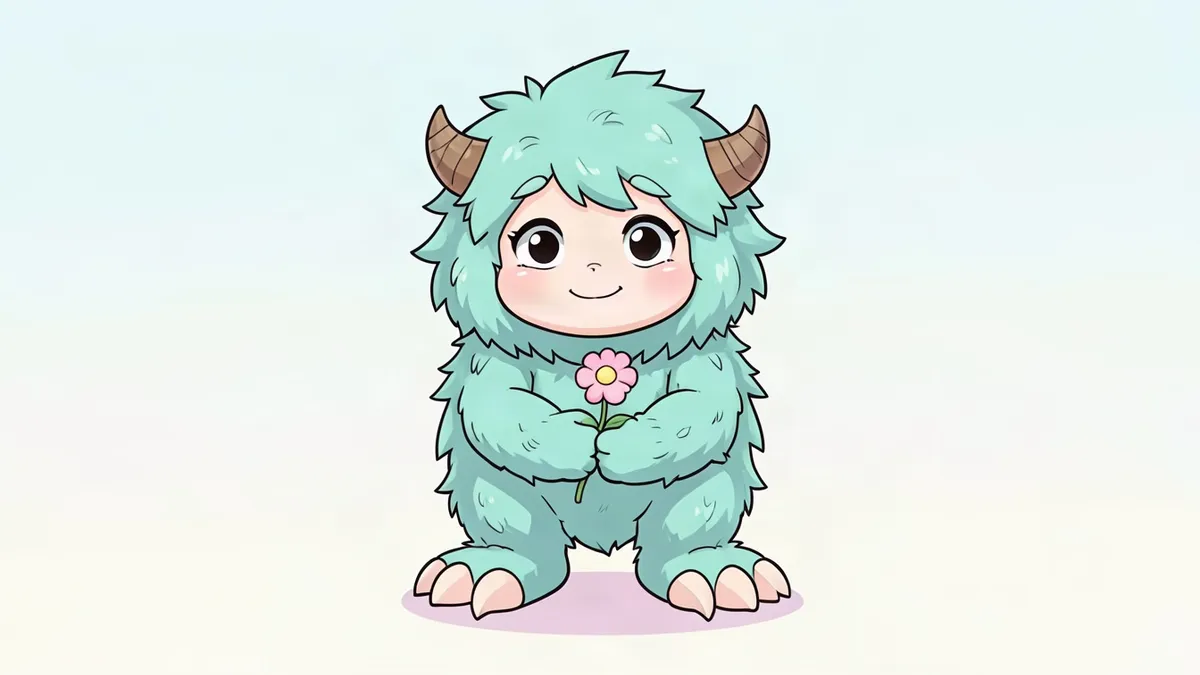
Monster OCs are original creature characters, anything from a fuzzy thing under the bed to a swamp giant with moss on its shoulders. You're free of human anatomy, which is the fun part and the hard part. This guide keeps things all-ages and focuses on design choices that give a creature personality, with 12 ideas to start from.
Build the body from real animals
Invented creatures look believable when their parts come from real ones. Pick two or three animals and one thing that isn't an animal.
- Heron legs, a toad's body, a lantern
- A moth, a deer, a set of curtains
- A crab, a teapot, a hermit's shell made from a mailbox
Then answer four questions:
- How many limbs and eyes? Changing the count is the fastest way to stop a monster looking like a person in a costume.
- How does it move? Crawling, hopping, floating and rolling each suggest a different temperament.
- What does it eat? The answer designs the mouth. A leaf eater, a jam thief and a creature that eats lost socks need different faces.
- Where does it live? Habitat picks the covering.
Some habitat shortcuts: cave creatures are pale with big ears and small eyes. Swamp creatures have slick skin, wide feet and things growing on them. Deep-water creatures carry their own light. Snow creatures are round with thick fur and small ears. Attic creatures are dusty and flat enough to fit behind boxes.
The cute-to-scary dial for monster OCs
Decide where your creature sits before you draw.
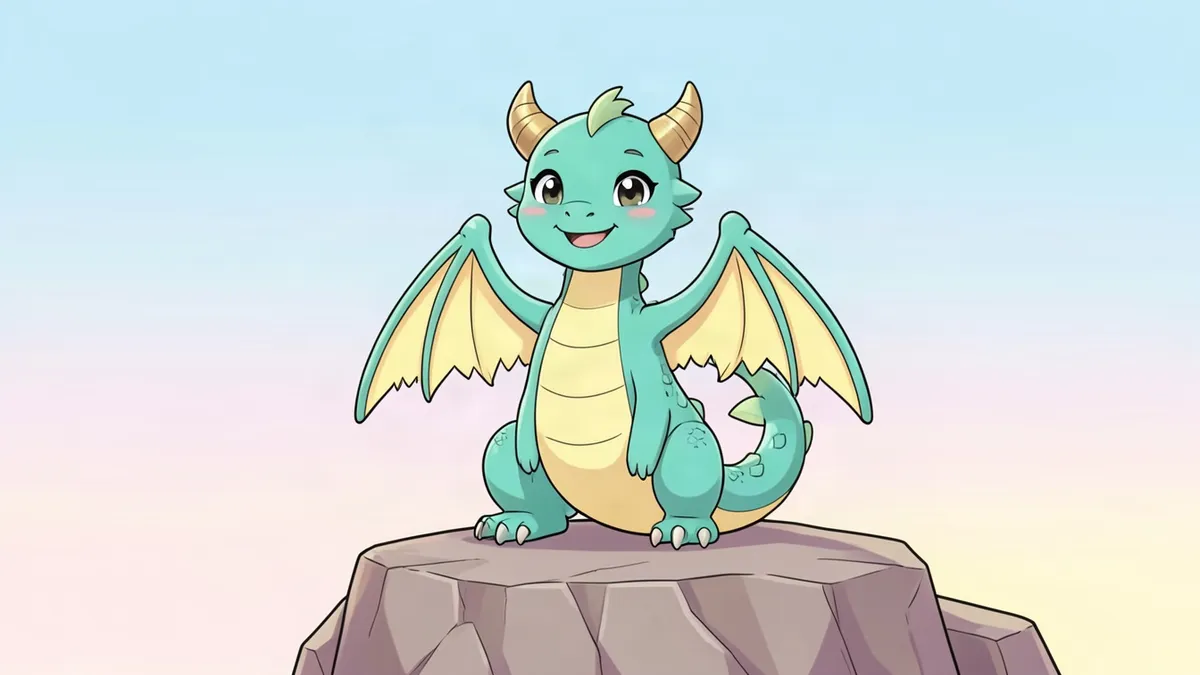
Toward cute: a round body, a big head, large eyes set low and wide apart, short limbs, soft fur, visible pupils with a highlight.
Toward scary: long thin limbs, small or hidden eyes, too many of something, very little movement, proportions that are almost human but slightly off.
The middle is where most memorable monsters live. Try a huge, looming shape with a tiny, worried face. Or a small fluffy thing with one unsettling detail, like a smile that's a little too wide.
Palettes
- Earthy: moss green, mud brown, bone white
- Warning colors: black with bands of toxic yellow or coral, like wasps and poison frogs
- Deep sea: blue-black with glowing cyan lures
- Candy: bubblegum pink fur, teal horns, cream belly
- Ghostly: pale gray, lilac shadows, white eyes
A trick from nature: make the belly lighter than the back. Many real animals are colored that way, and it makes a made-up one feel real.
Give the monster a life
A creature becomes a character when it has habits.
- A job or role. Guardian, collector, night janitor, babysitter.
- A fear. Vacuum cleaners, sunrise, being noticed.
- A collection. Bottle caps, lost mittens, the last page of every book.
- A way of speaking. Silent, very formal, or only able to repeat things it has overheard.
- A relationship with people. Hides from them, haunts them politely, or works the front desk.
12 monster OC ideas
- An under-the-bed monster who is afraid of the dark and keeps a night light.
- A moss-covered swamp giant who babysits tadpoles every spring.
- A closet monster who has been quietly mending the clothes for years.
- A many-eyed attic creature who needs six pairs of glasses and keeps losing them.
- A sea monster who runs a lost-and-found for things dropped off boats.
- A snow beast who carves ice sculptures that melt before anyone sees them.
- A shadow that got separated from its person and is looking for work.
- A small horned gremlin who lives in a vending machine and judges your snack choices.
- A bridge troll who became a toll booth operator when the highway was built.
- A dust creature that grows a little every time someone puts off a chore.
- A shapeshifter who can only turn into furniture and is a very comfortable armchair.
- A lake creature who has avoided cameras for 80 years because she's shy.
Cliches and how to twist them
- The scary monster who is secretly sweet. This is now the default. Twist: make them grumpy and dependable. Kind is not the only alternative to evil.
- Teeth, claws and spikes on everything. Twist: one threatening feature, and keep the rest soft.
- A human shape with horns added. Twist: change the limb count or the way it moves.
Prompts you can paste
Paste these into the Character Creator and swap the animals and colors:
A friendly swamp monster, tall and round, moss green fur with mud brown patches, cream belly, small orange eyes, wide flat feet, three tiny frogs sitting on its head, storybook illustration, soft light
A small closet monster with lilac fur, four arms, big round glasses, one curled horn, sewing a button onto a coat, cozy bedroom at night, cute cartoon style
If you'd like a surprise, the Random Character Generator includes monster as a species.
A creature design lives or dies by its outline, so run the tests in our character design silhouette guide. And if your creature is drifting toward adorable, the cute OC ideas article covers the proportions that get you there.
FAQ
What are monster OCs?
Monster OCs are original creature characters you design yourself. They can be cute, spooky or anywhere between, and they don't need to follow human anatomy.
How do I make a monster OC that isn't scary?
Use round shapes, big low-set eyes, short limbs and soft colors. Then give it a gentle habit or an everyday job.
How do I design creature OCs from scratch?
Combine two or three real animals with one object, decide how it moves and what it eats, then let its habitat choose the covering and colors.
Do monster OCs need a backstory?
A short one helps. Where it lives, what it wants and how it feels about people is enough to make a creature feel like a character.