Character sheets are one-page summaries of a fictional person: the facts you want in front of you while you write, draw or roleplay them. This guide gives you two blank versions to copy, a simple one and a full one for writers and OC creators, and shows you how to make a character sheet you'll still be using after the first week.
Character Sheets for Writers and OCs: Free Templates
October 28, 2026
Character sheets that help you write: a simple blank sheet, a full sheet for writers and OC creators, how to make your own and what to leave off.
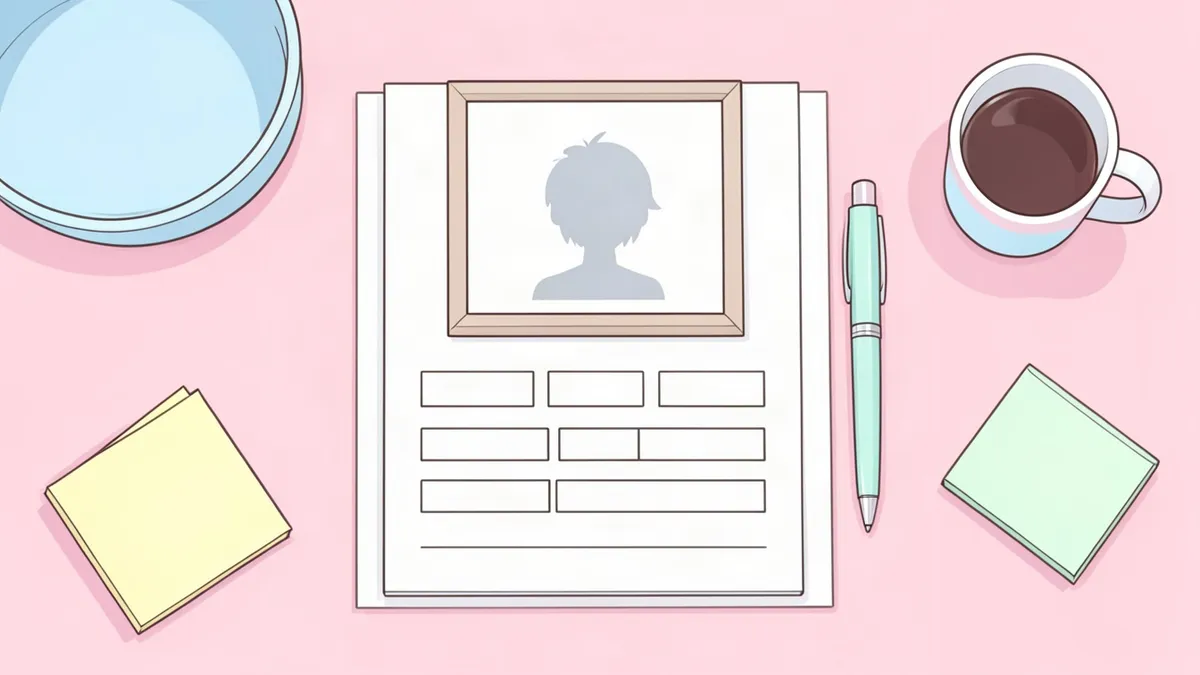
character sheets
character sheet for writers
character template
blank character sheet
What character sheets are for
- Consistency. Eye color, age, which hand they write with. Readers notice when these change.
- Decisions. What the character wants and fears, so you can check a scene against it.
- Sharing. Co-writers, artists and roleplay partners can get up to speed in a minute.
A note on tabletop games: they have their own sheets full of stats and rules. This guide covers the storytelling kind, with no numbers. If you play a tabletop game, use the sheet that comes with it and attach one of these for personality and history.
Simple character sheet
Name: ____
Age: ____
Role in the story: ____
Looks (three details): ____
Personality (three words): ____
Wants: ____
Afraid of: ____
Biggest flaw: ____
Most important relationship: ____
A line they would say: "____"
Ten lines is enough for side characters and for the first draft of main ones.
Full character sheet for writers
IDENTITY
Name and nickname: ____
Age: ____
Occupation: ____
Home: ____

APPEARANCE
First thing people notice: ____
Build and posture: ____
Hair and eyes: ____
Clothes: ____
Continuity notes (scars, glasses, left-handed): ____

VOICE
How they talk (fast, formal, blunt): ____
Words they overuse: ____
What they never say out loud: ____
Sample line: "____"

INNER LIFE
Want (the goal they'd admit to): ____
Need (what would really help them): ____
Fear: ____
Flaw: ____
False belief about themselves or the world: ____
Secret: ____

STORY ROLE
Role (lead, rival, mentor, ally): ____
First appearance: ____
What they change in the plot: ____
Where they start: ____
Turning point: ____
Where they end: ____

PEOPLE
Trusts: ____
Clashes with: ____
Owes: ____

PAST
Three events that shaped them: ____
Three sections here do most of the work. Voice keeps dialogue from sounding like you. Inner life gives you the gap between what a character wants and what they need, which is where most character arcs come from. Story role forces you to say what this person is doing in the plot at all.
How to make a character sheet in five steps
- Fill in the simple sheet first. Give yourself five minutes and write only what you already know.
- Write a test scene. Half a page of the character ordering food, arguing or waiting. Note everything you had to make up on the spot.
- Move those discoveries onto the full sheet. The scene will have answered questions the blank form couldn't.
- Do the inner life section last. Want, need and false belief are easier once you've heard the character talk.
- Update it as you go. After each chapter or session, add any new fact that appeared on the page. The sheet is a record, not a contract.
What to leave off
- Trivia that never reaches a scene. Favorite color and star sign rarely change what a character does.
- A full physical inventory. Three details a reader will remember are better than twenty they won't.
- The whole life story. Three shaping events fit on the sheet. Keep the long version in a separate document.
A quick test for any field: would this fact change how the character acts in a scene? If not, cut it.
Adapting the sheet for OCs
Original characters usually live in art as well as text, so add a visual block: a three-to-five color palette, a signature item and a reference image. The drawn version of a character sheet is called a reference sheet, and our character reference sheet guide covers what to put on one.
Two related templates on this site may fit better, depending on the job:
- The OC template is a longer development sheet with 60 questions.
- The OC info template is a short bio made for posting and sharing.
A faster first draft
Staring at blanks? The OC Generator rolls a text profile with a name, age, role, appearance, personality, goal, fear, backstory and quirks. Lock the fields you already know, let it suggest the rest, then paste the result into the sheet above and rewrite it until it sounds like your character.
FAQ
What should a character sheet include?
At least a name, age, role, a few looks and personality notes, a want, a fear, a flaw and one key relationship. Writers often add voice, a false belief and the character's arc.
How do you make a character sheet for a story?
Fill in a short sheet with what you know, write a test scene, then move what you learned onto a fuller sheet. Update it as the story grows.
Is there a blank character sheet I can copy?
Yes. Both sheets above are plain text. Copy them into any document or notes app and fill in the blanks.
Is a character sheet the same as a character profile?
Mostly. A sheet is a quick one-page reference with short fields. A profile is often longer and written in paragraphs. A reference sheet is the drawn version.
Related Posts
Oct 10, 2026
How to Make a PNGTuber: Step-by-Step Guide for Beginners
What is a PNGTuber and how do you make one? Design your avatar, create talking and idle images, and set up a PNGTuber in OBS or a free app.

Oct 21, 2026
How to Draw People: Easy Method for Poses and Groups
Learn how to draw people the easy way: quick gesture lines, a bean-shaped torso, ways to vary age and build, and the horizon rule for drawing groups.
Oct 13, 2026
61 Things to Draw When Bored (Easy, Fun and Quick)
61 things to draw when bored, sorted by how much time you have: two-minute doodles, desk objects, drawing games to play alone and longer scenes.