Personality is what makes readers care about a character. Two characters can look identical, but if one is reckless and warm while the other is careful and cold, they'll make different choices, and those choices drive your story.
Below is a list of more than 200 character personality traits, sorted into positive, negative and neutral, followed by practical advice on choosing traits and showing them on the page.
Positive personality traits
Adaptable, adventurous, affectionate, ambitious, appreciative, articulate, brave, calm, caring, charismatic, charming, cheerful, clever, compassionate, confident, considerate, cooperative, courageous, courteous, creative, curious, decisive, dedicated, dependable, determined, diligent, diplomatic, disciplined, easygoing, efficient, empathetic, encouraging, energetic, enthusiastic, fair, faithful, focused, forgiving, friendly, funny, generous, gentle, genuine, gracious, grateful, hardworking, helpful, honest, honorable, hopeful, humble, imaginative, independent, innovative, insightful, inspiring, intelligent, intuitive, joyful, just, kind, level-headed, logical, loyal, mature, modest, motivated, nurturing, observant, open-minded, optimistic, organized, passionate, patient, perceptive, persistent, playful, polite, practical, protective, punctual, rational, reliable, resilient, resourceful, respectful, responsible, selfless, sensible, sincere, sociable, supportive, sympathetic, tactful, thoughtful, tolerant, trustworthy, understanding, warm, wise, witty
Negative personality traits (flaws)
Aggressive, aloof, anxious, arrogant, bitter, blunt, boastful, bossy, callous, careless, clingy, closed-minded, cold, competitive (to a fault), conceited, controlling, cowardly, cruel, cynical, deceitful, defensive, demanding, dishonest, disloyal, disorganized, distrustful, envious, fickle, foolish, forgetful, gloomy, greedy, gullible, harsh, hostile, hot-tempered, hypocritical, ignorant, impatient, impulsive, indecisive, inflexible, insecure, insensitive, irresponsible, irritable, jealous, judgmental, lazy, manipulative, materialistic, melodramatic, moody, naive, needy, negligent, nosy, obsessive, overbearing, paranoid, perfectionist, pessimistic, petty, possessive, prejudiced, pretentious, proud, reckless, resentful, rude, sarcastic, secretive, selfish, self-centered, shallow, spiteful, stubborn, suspicious, tactless, temperamental, timid, unreliable, vain, vengeful, vindictive, volatile, weak-willed, withdrawn
Neutral personality traits
These can be strengths or weaknesses depending on the situation:
Ambitious, analytical, blunt, bold, cautious, competitive, complex, conventional, dreamy, eccentric, emotional, formal, guarded, idealistic, introverted, extroverted, intense, meticulous, mysterious, nonconformist, old-fashioned, outspoken, private, proud, quiet, reserved, restless, sarcastic, sensitive, serious, skeptical, solitary, spontaneous, stoic, strict, strong-willed, traditional, unpredictable, whimsical
How to choose personality traits for your character
Start with three core traits
Three traits are enough to define a character. More than that and the personality gets blurry. Pick:
- A dominant trait that shows up in almost every scene (for example, curious).
- A supporting trait that adds color (for example, funny).
- A flaw that causes problems (for example, impulsive).
Notice how they work together: a curious, funny, impulsive character will get into trouble often and joke their way through it.
Add a contradiction
Real people are contradictory. A character who is brave in battle but cowardly about telling someone how they feel instantly feels more human. Look for a contradiction between how your character acts in public and in private.
Connect traits to backstory
Traits usually have causes. A distrustful character may have been betrayed. A perfectionist may have grown up with impossible expectations. Our list of character backstory ideas can help you find the history behind a trait.
Let flaws cost something
A flaw only matters if it causes real problems. If your character is stubborn, show a moment where that stubbornness loses them something important.
How to show personality (instead of telling)
Don't write "She was generous." Show it:
- Through action: she gives away her lunch without thinking twice.
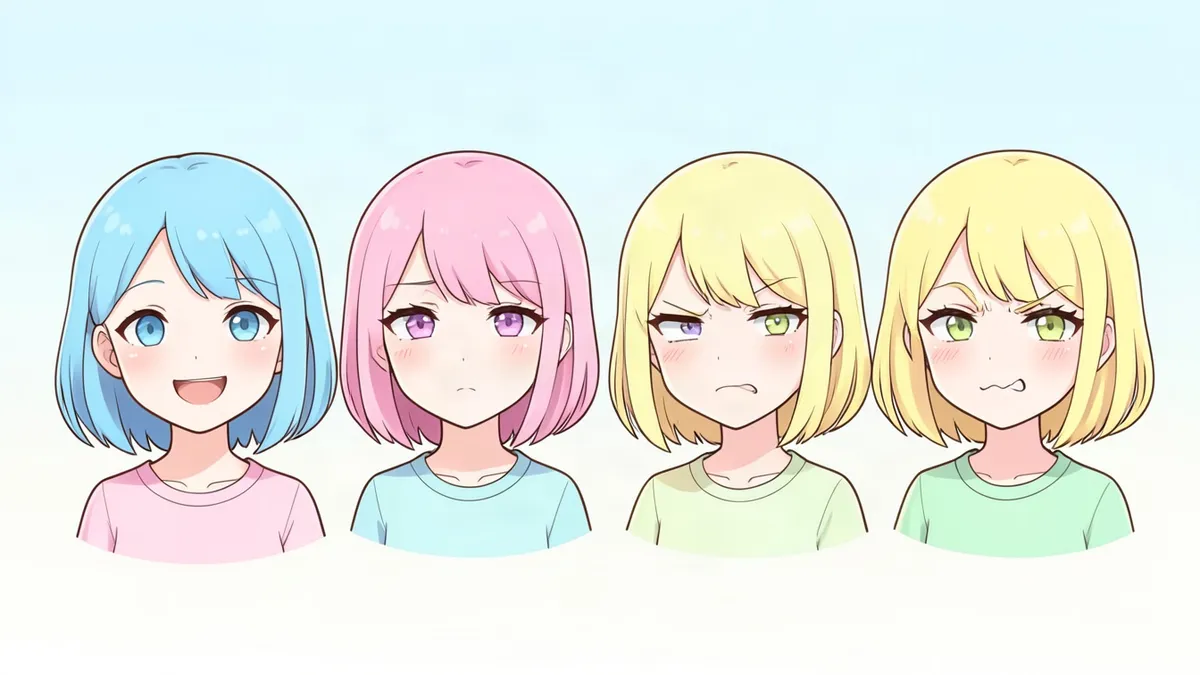
- Through dialogue: how a character speaks (formal, blunt, rambling, full of jokes) shows personality instantly.
- Through choices under pressure: what a character does when it's hard reveals who they really are.
- Through other characters' reactions: if everyone sighs when the character enters the room, readers learn something.
- Through small habits: tapping a pen, color-coding notes, always sitting near the exit.
Using personality in character design
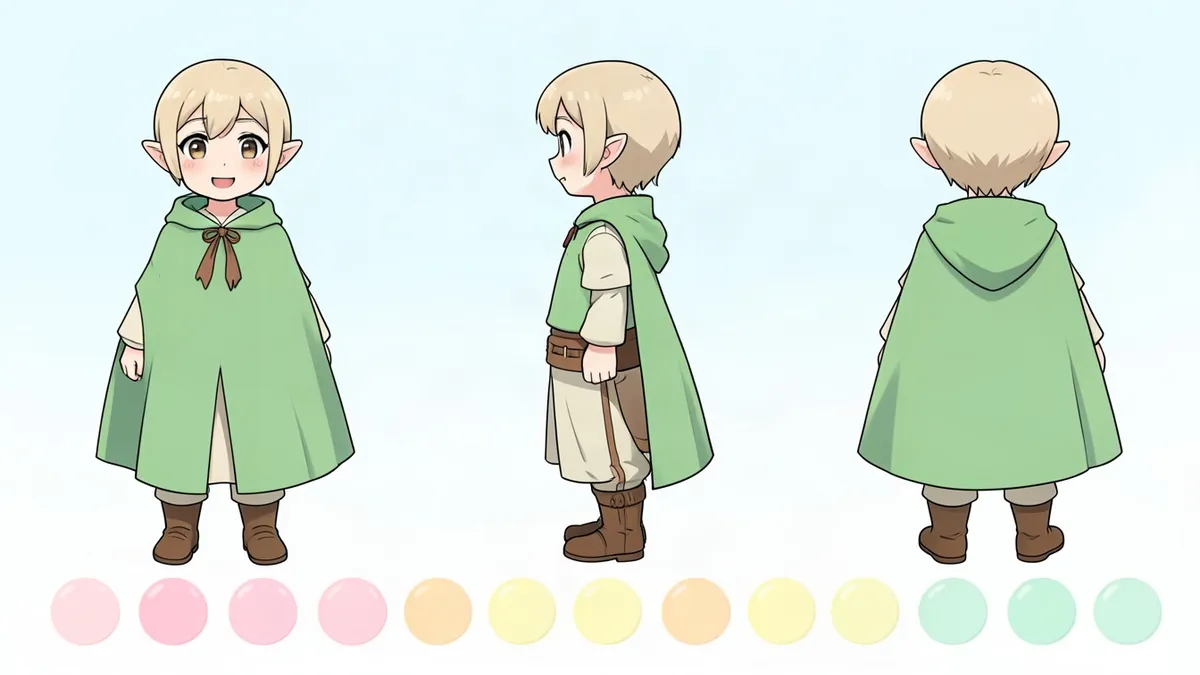
Personality should also show in how a character looks. A meticulous character might have a perfectly pressed outfit; a carefree one might have untied shoes and messy hair. See our character design tips for more.
When you generate a character in the Character Creator or the OC Generator, you can lock in specific traits and the profile is built around them.
FAQ
How many personality traits should a character have?
Three core traits (including one flaw) are enough to make a character clear and memorable. You can add minor traits as the story develops.
What are good personality traits for a main character?
Main characters need at least one trait readers admire, like courage, kindness or determination, and at least one flaw that creates conflict. Without a flaw, the character has nowhere to grow.
What is a neutral personality trait?
A trait that can be helpful or harmful depending on the situation. For example, cautious keeps a character safe but can also make them miss opportunities.
How do I make a villain's personality interesting?
Give them positive traits too. A villain who is loyal, intelligent and genuinely caring toward someone is more compelling than one who is simply cruel.