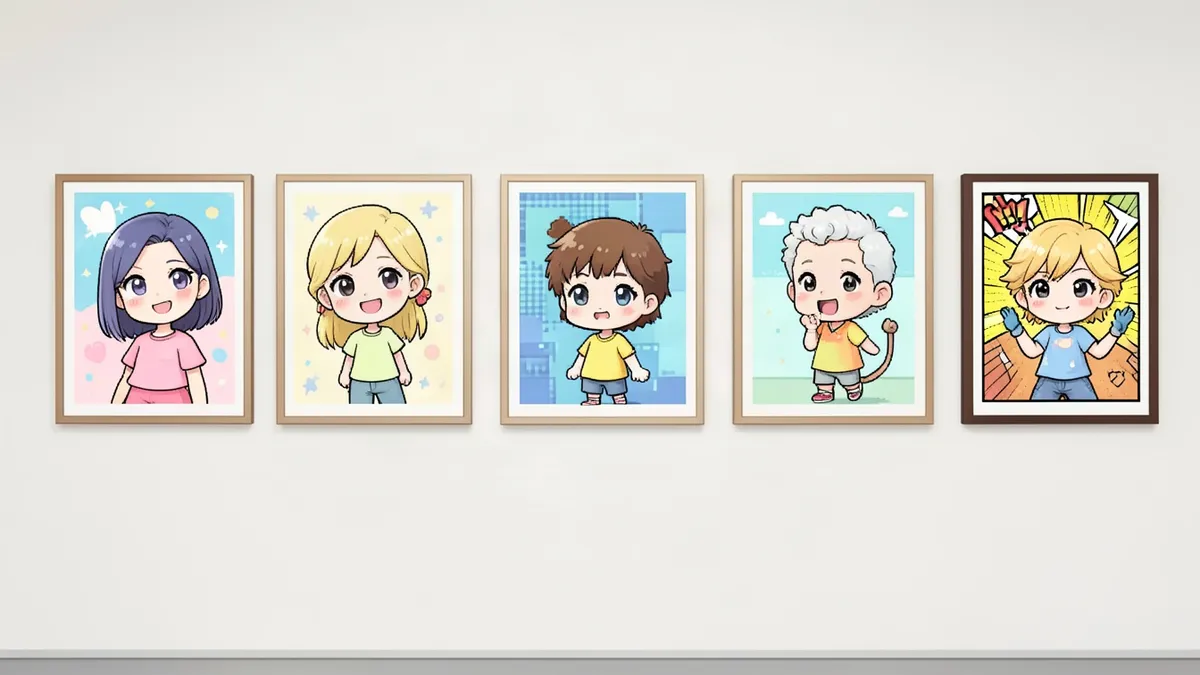
OC art is artwork of an original character: a character the artist (or the person who commissioned the art) created themselves. It's one of the most popular kinds of art online, from quick doodles and memes to polished illustrations, comics and animations.
Whether you draw every day or you've never picked up a stylus, this guide covers the ways to get OC art, the styles people use, a reference sheet checklist, 40 ideas to draw your character, and how to share and commission art. If you're new to the term, start with what an OC is.
Four ways to get art of your OC
| Method | Best for | What you need | Watch out for |
|---|---|---|---|
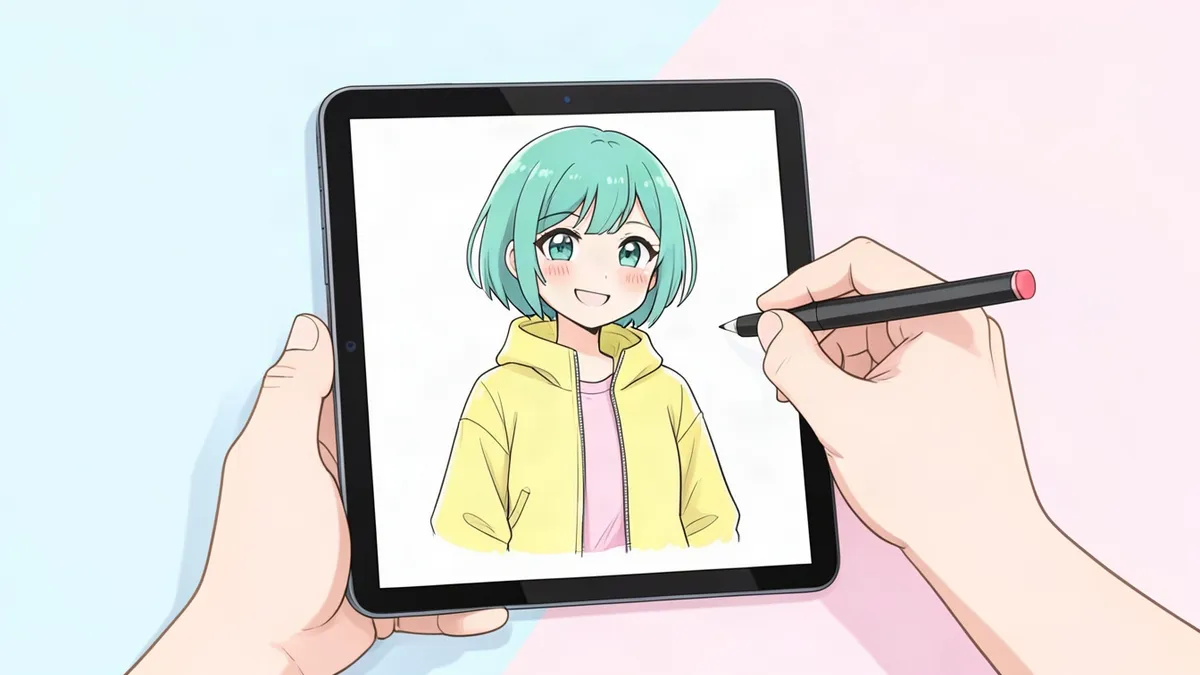
| Draw it yourself | Learning, full control | Pencil or tablet, time, a ref | Your OC will look different across early drawings until the design settles |
| Commission an artist | Polished finals, ref sheets | A budget and a clear brief | Wait times, usage terms, paying for revisions |
| Use a base or pose reference | Beginners who want to draw but need help with anatomy | A base you're allowed to use and a ref | Check the base creator's rules and credit them |
| Generate it with a tool | Seeing a design fast, brainstorming, getting a first ref | A written description | Label it as AI-made when you post, and follow each community's rules |
Most people mix these. A common routine is to generate a quick portrait to test a design, tweak it by hand, then commission or draw the final sheet.
Popular OC art styles
- Anime and manga. Big expressive eyes, clean lines and cel shading. The most common style for OCs. See our guide on how to draw anime characters.
- Chibi. Tiny, round, two to three heads tall. Great for stickers, emotes and cute moments.
- Semi-realistic. Realistic proportions and lighting with a little stylization.
- Cartoon. Simple shapes, bold outlines and exaggerated expressions.
- Painterly. Soft brushwork and rich color, popular for fantasy characters.
- Pixel art. Small, blocky sprites that suit game characters and retro vibes.
- Comic book. Strong ink lines, dramatic shadows and dynamic poses.
Trying your OC in different styles is a fun way to discover which features really define them. If your character is still recognizable as a chibi and as a realistic portrait, the design is strong.
Which style should you pick?
| Style | Detail level | Easiest to keep consistent? | Good for |
|---|---|---|---|
| Chibi | Low | Yes | Emotes, stickers, icons |
| Cartoon | Low to medium | Yes | Comics, mascots, avatars |
| Anime | Medium | Medium | Portraits, ref sheets, visual novels |
| Pixel art | Low (but fiddly) | Yes | Game sprites, profile icons |
| Comic book | Medium to high | Medium | Action scenes, covers |
| Semi-realistic | High | No | Character studies, book covers |
| Painterly | High | No | Fantasy scenes, key art |
If you want to be consistent, choose a style with fewer details to track. A hair clip is easy to draw in chibi and easy to forget in a painted portrait.
How to make a reference sheet for your OC
A reference sheet is the single most useful piece of OC art you can have. It keeps your own drawings consistent and gives commissioned artists what they need. Our guide on the character reference sheet goes into detail; here is the short checklist:
- Front view, full body. Neutral pose, arms slightly away from the body.
- Back view. Hair length, capes, bags and anything else that shows from behind.
- Side or three-quarter view. Optional, but it helps for noses, tails, horns and wings.
- Face close-up with two or three expressions. Neutral, happy and one that is typical for them.
- Color palette. Swatches for skin, hair, eyes and clothes. Add hex codes if you use digital tools.
- Details and props. Jewelry, scars, markings, the item they always carry.
- Notes. Height, age, three personality words, and anything that must never change.
You don't need to do all seven on day one. A front view, a face and a palette already beat a pile of loose sketches.
Drawing your OC consistently
- Pick three anchor features that must appear in every piece, such as an eye shape, a hair silhouette and an accessory.
- Check the silhouette. Fill the character in solid black. If you can still tell who it is, the design is readable. See character silhouette.
- Keep colors limited. A palette of four to six main colors is easier to repeat than a rainbow.
- Draw the same character in three poses early. It reveals which details you forget.
- Keep the ref next to your canvas. Pros do too.
Worked example: from idea to first piece of OC art
Here is a small made-up character to show the process.
- Idea: Tamsin, a lighthouse keeper who is afraid of the dark.
- Core contradiction: she lives at the top of the tallest light on the coast, but sleeps with three lamps on.
- Signature look: a yellow raincoat two sizes too big and a brass key on a cord.
- First piece of art: Tamsin asleep in an armchair with every lamp lit (idea 9 below).
- Second piece: an expression sheet showing her calm face, her "pretending not to be scared" face and her real scared face (idea 11).
- Then: a front, back and face ref sheet with the coat color and the key.
Notice that the first piece shows the contradiction. Art that carries a story detail is easier to care about than a generic pose.
40 OC art ideas
Everyday life
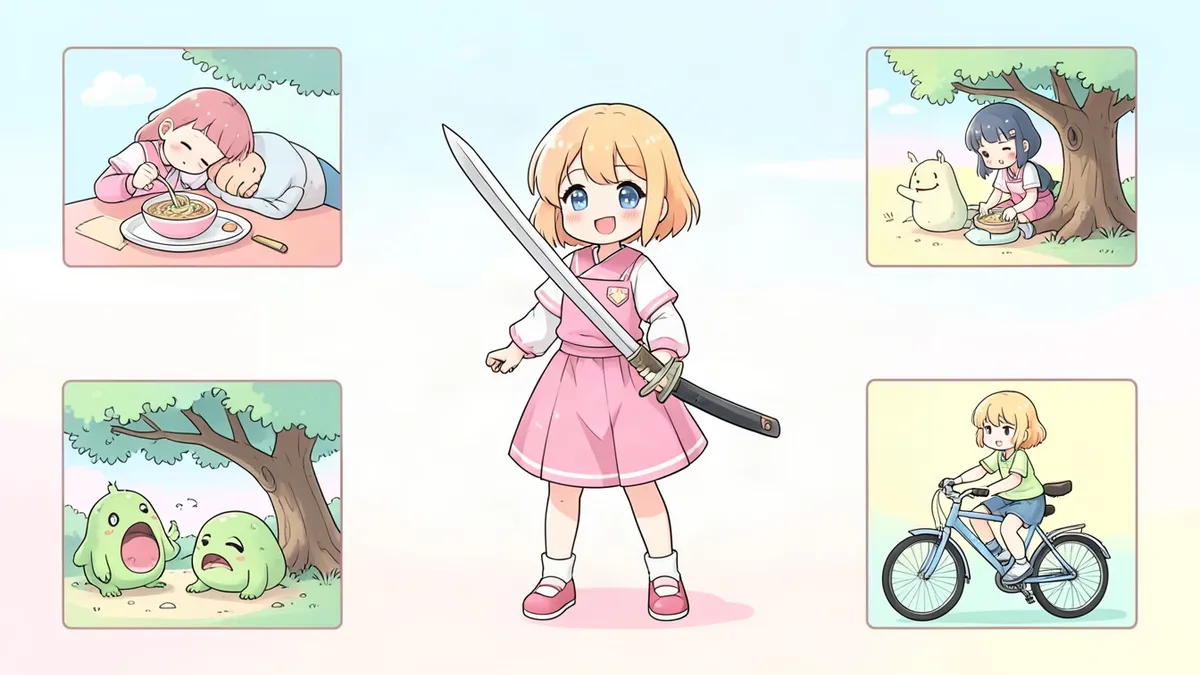
- Your OC's morning routine
- Your OC in their favorite outfit vs. what they wear at home
- What's in their bag?
- Your OC cooking their favorite food
- Your OC's bedroom
- Your OC on a rainy day
- Your OC with their pet, or the pet they wish they had
- Your OC at their job
- Your OC asleep
- Your OC's comfort spot
Personality and emotion
- An expression sheet with six emotions
- Your OC trying not to laugh
- Your OC at their angriest
- Your OC when no one is watching
- What your OC thinks they look like vs. what they actually look like
- Your OC receiving a compliment
- Your OC's biggest fear
- Your OC's happiest memory
- Your OC as a child
- Your OC as an elderly person
Alternate versions
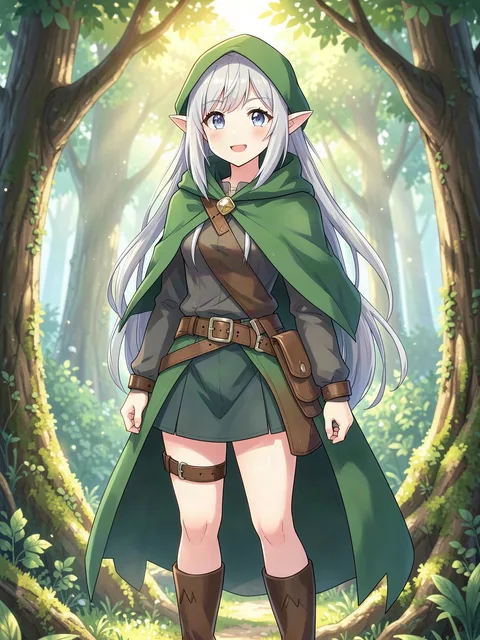
- Your OC in a different genre (fantasy, sci-fi, modern, horror)
- Your OC as an animal
- Your OC as a villain (or a hero, if they're already a villain)
- Your OC in a different decade's fashion
- Your OC in a school uniform
- Your OC in formal wear
- Your OC in winter clothes
- Your OC as a playing card or tarot card
- Your OC as a mascot
- Your OC redesigned from your oldest drawing of them
Story moments
- The first time your OC met their best friend
- Your OC's most important choice
- A scene from their backstory
- Your OC on the cover of an imaginary book
- A movie poster for your OC's story
- Your OC's wanted poster
- Your OC with their rival
- Your OC meeting another artist's OC
- Your OC's ending
- Your OC breaking the fourth wall
Need a fresh character to draw? Grab one from 100 OC ideas.
Common problems with OC art, and fixes
- "My OC looks different every time." Make a ref sheet, pick three anchor features and trace your own earlier drawing once to feel the proportions.
- "My OC looks like every other character in my style." Change the silhouette, not just the colors: an unusual hairstyle, a prop, an asymmetric outfit.
- "I don't know what to draw them doing." Use the prompts above, or the questions in the OC template. Anything the character would do on an ordinary Tuesday is a good subject.
- "Their clothes are boring." Pick a theme and a limited palette first, then add one odd detail. More ideas in OC outfit ideas.
- "Hands and anatomy are hard." Use simple shapes while learning and see our guides on how to draw a hand and how to draw a body.
- "I don't have time." A quick colored sketch plus a caption still counts as OC art.
Popular OC art challenges
- Draw your OC in this outfit. A shared outfit template that everyone draws their character in.
- Art vs. artist. A photo of the artist next to their art (including OCs).
- Six fan characters. Ask friends for six characters to draw in your style. Many people include OCs.
- OC-tober and monthly prompts. Daily prompt lists, often running for a whole month.
- Redraw challenge. Redraw an old piece of your OC to see how much you've improved.
- Style swap. Draw your OC in another artist's style (with their permission and credit).
- Character swap. Trade OCs with a friend and draw each other's characters.
How to share OC art
- Include a reference. When you post, link your character reference sheet so others can learn about your OC.
- Use clear tags. Tags like oc, original character and oc art help people find your work.
- Credit collaborators. If you drew someone else's OC, tag them. If someone drew yours, credit them.
- Be clear about AI. If an image was made or helped by AI, say so. Many art communities have rules about AI-generated work.
Commissioning OC art
If you want art of your OC from another artist:
- Prepare references. A ref sheet or a few clear images, plus a short personality description.
- Read their terms. Check prices, what they will and won't draw, and how you're allowed to use the art.
- Be specific. Pose, expression, background, and any must-have details.
- Respect the artist. Don't ask for major changes after approval and always credit them when posting.
A simple brief to send an artist
Character: Tamsin, 34, lighthouse keeper. Personality: dry humor, hides that she is scared of the dark. Must-have details: oversized yellow raincoat, brass key on a cord, short dark hair with a gray streak. Request: full-body front view and a back view on a plain background, plus two face expressions. Style: semi-realistic, soft colors. Use: personal and social media posting, with credit.
Whatever your own character is, fill in the same fields and attach your reference sheet.
How to visualize your OC if you can't draw
You don't have to be an artist to see your character. Describe your OC in the Character Creator, including style, hair, eyes, outfit and personality, and get a portrait in seconds, along with a name, traits and backstory. For anime-style characters, use the Anime Character Creator; for a small cute version, the Chibi Maker. Many people use generated images as a starting point for a ref sheet or as a reference to share with an artist they commission.
If you only have a vague concept, the OC Generator can roll a full profile first, and you can send it to the Character Creator to draw. Whatever you generate, keep the same description and key details (hair, eyes, outfit, one signature accessory) each time you redraw, because that is what keeps the character looking the same.
FAQ
What does OC art mean?
OC art is any artwork of an original character: a character created by the artist or by the person who commissioned the art, rather than a character from an existing series.
What should I draw my OC doing?
Start with everyday moments: eating, sleeping, working or relaxing. Then try emotional moments and alternate versions, like your OC as a child or in a different genre. The 40 ideas above are a good place to start.
Can I post AI art of my OC?
Many platforms allow it, but some art communities don't. Always label AI-generated images clearly and follow each community's rules.
How do I make my OC art look consistent?
Use a reference sheet with a turnaround, expressions and color swatches, and check it every time you draw. Keep the same signature details in every piece.
What should a reference sheet include?
At minimum a full-body front view, a face with a couple of expressions and a color palette. Add back and side views, props, markings and short notes as the design settles.
Do I need to credit the artist when I post OC art someone drew for me?
Yes, as a basic courtesy and usually as a term of the commission. Tag them, link their page and follow any rules they gave you about how the art can be used.